
Black Friday 2026 arrives on 27 November. The traditional frenzy of deep discounts still generates enormous volume, yet a growing share of UK shoppers, especially younger generations, want more than the lowest price. They look for brands that demonstrate genuine care for the environment and ethical practices.
Green Friday has emerged as a thoughtful counterpoint and, increasingly, a complementary strategy. Rather than choosing between commercial results and values, the strongest brands now weave sustainability into their Black Friday activity. The result is campaigns that feel authentic, attract loyalty, and still convert.
Why Green Friday matters in 2026
UK consumers continue to show high awareness of sustainability. Many check labels or brand claims before buying, and a significant proportion say they prefer (or are willing to pay more for) products with verified environmental credentials. At the same time, cost-of-living pressures mean value still matters. The brands that succeed are those that make the sustainable choice the easy, attractive and clearly better choice, not a sacrifice.
Circular behaviours are also rising: second-hand, repair, rental and take-back schemes are becoming more mainstream. Black Friday is an ideal moment to highlight these options alongside new product offers.
Practical ways to blend Black Friday and Green Friday
1. Offer discounts with purpose
Feature ethically sourced, recycled, low-impact or long-lasting products as the heroes of your sale. Position the discount as a chance to invest in better quality rather than simply buy more. Limited-time bundles that include a sustainable accessory or refill can raise average order value while reinforcing the message.
2. Promote mindful shopping
Use your campaign messaging to encourage intentional purchases. “Buy once, buy well” or “Choose pieces you’ll still love next year” lands better than pure scarcity tactics for many audiences. Gift guides that focus on lasting value or multi-use items perform especially well.
3. Make packaging part of the story
Highlight eco-friendly packaging, plastic-free options or the ability to add a reusable tote or gift wrap made from recycled materials. Some brands offer a small discount or free upgrade when customers choose the lower-impact shipping option.
4. Give back in a transparent way
Donate a percentage of Black Friday sales to a relevant environmental or social cause and communicate the impact clearly (trees planted, plastic removed, community projects supported). Transparency builds trust; vague claims do the opposite.
5. Showcase circular options
If you offer repairs, take-back, resale or rental, put them front and centre during the campaign. “Trade in your old item for credit towards a new one” or “Free repair service for any purchase made this week” turns a transactional moment into a longer relationship.
6. Lead with values, not just green claims
Tie the campaign back to what your brand already stands for. Consistency matters more than a one-off green slogan. Customers notice when sustainability appears only in November.

Messaging and creative tips
- Pair urgency with substance: “48 hours only: on our most durable pieces” works better than generic “Biggest sale ever”.
- Use real imagery of materials, makers or impact rather than stock “nature” photos.
- Keep claims accurate and specific. Over-claiming risks both regulatory attention and customer backlash.
- Test subject lines and headlines that speak to both value and values (e.g. “Thoughtful gifts, properly discounted”).
Measuring success beyond the weekend
Track not only revenue and conversion rate but also:
- Percentage of sales from sustainable or circular product lines
- New customer acquisition quality (repeat purchase rate in the following months)
- Engagement with sustainability content
- Returns rate (better quality and clearer expectations often reduce returns)
Green Friday is not about abandoning commercial goals. It is about recognising that many of the shoppers you most want to attract now expect brands to stand for something. When you combine the energy of Black Friday with genuine sustainable practices, you create campaigns that convert in the moment and build the kind of loyalty that lasts long after the discounts end.
Top 5 Green Friday campaigns that recently stood out!
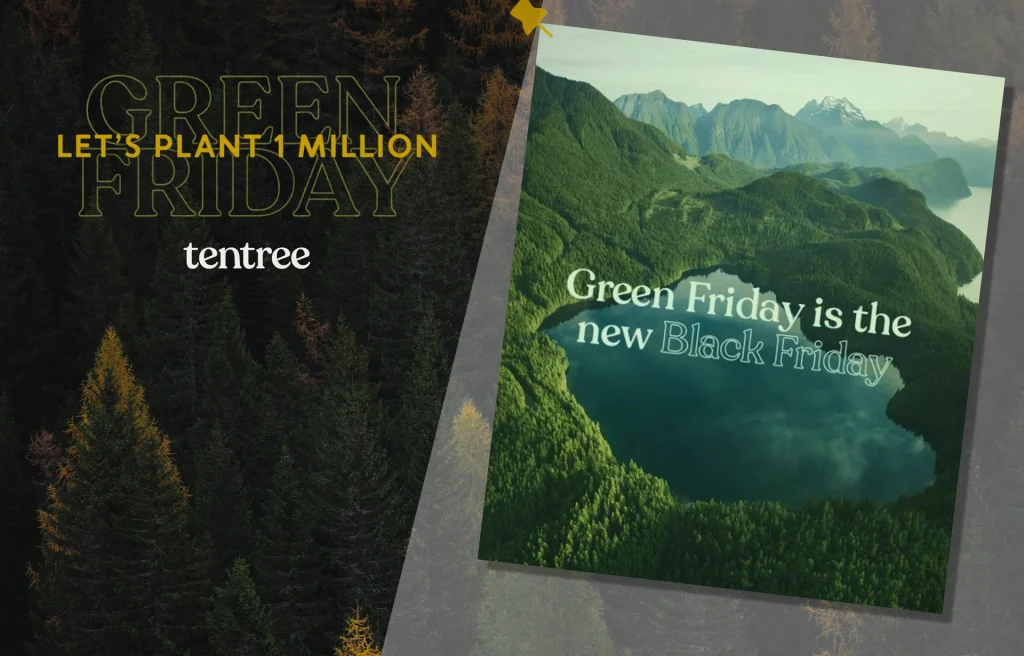
1. Tentree: Green Friday
Tentree deliberately rebrands Black Friday as Green Friday. The core mechanic is mission-driven: sales fund tree planting (they aimed for and hit 1 million trees in one BFCM period). They layered this with loyalty incentives (double points, early access for members).
Reasons for success: Clear, measurable impact tied directly to purchases + loyalty mechanics that drove both sales and retention. It feels authentic because tree planting is core to the brand, not a one-off stunt.
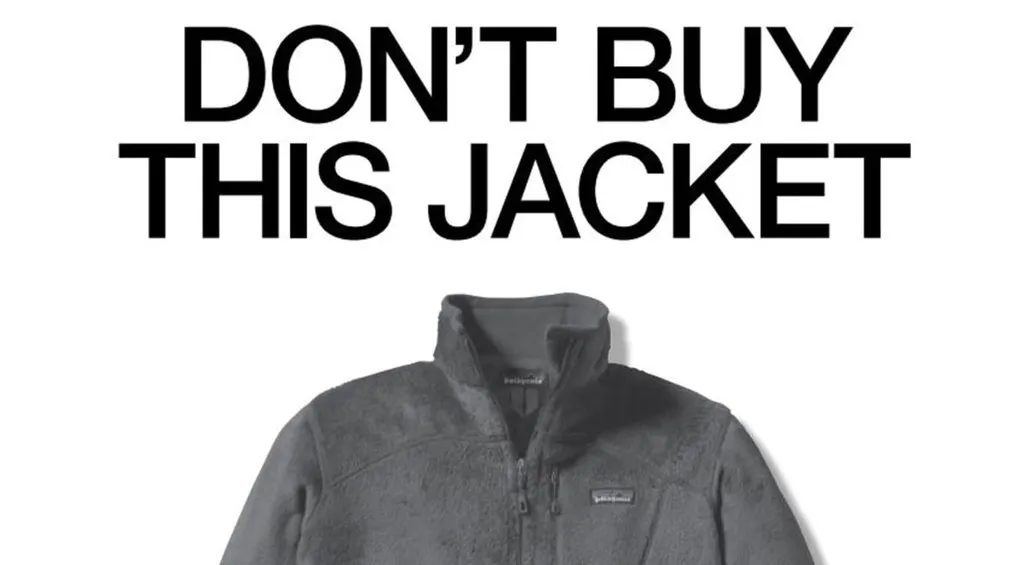
2. Patagonia: Ongoing anti-consumption / “Don’t Buy This Jacket” legacy + modern variants
The classic 2011 Black Friday ad (“Don’t Buy This Jacket”) is still referenced as the gold standard. Modern versions continue to push repair, reuse, buy used, and quality-over-quantity messaging instead of pure discounting.
Why it works: Extreme authenticity. The brand has decades of consistent action (Worn Wear, repairs, activism), so the message feels credible rather than performative. It builds long-term brand equity even when it temporarily suppresses volume.
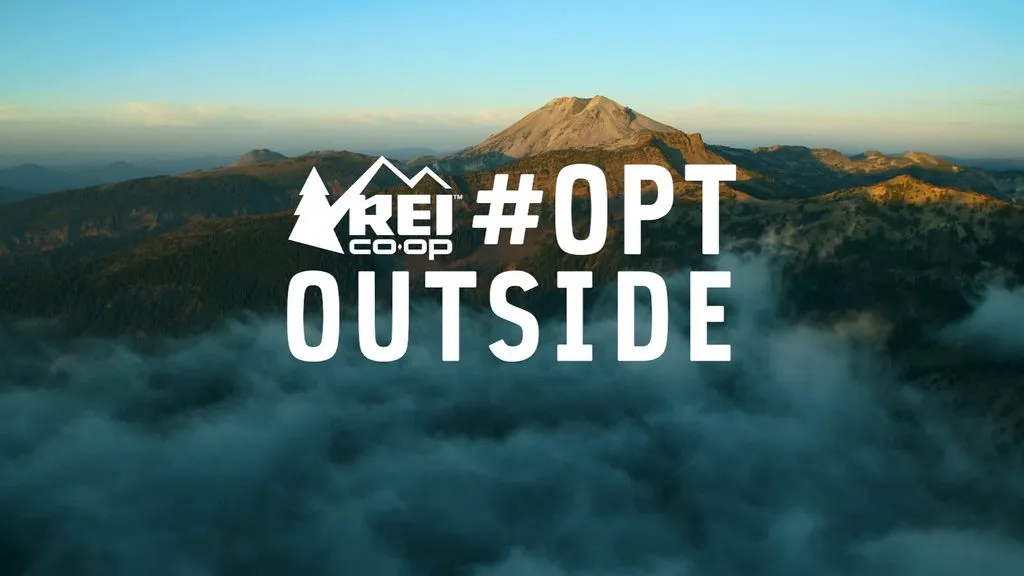
3. REI: #OptOutside (iconic, still influential)
REI closes stores on Black Friday, pays staff to spend the day outdoors, and invites the public to join. Results included massive earned media, membership growth, and a lasting cultural association.
Why it worked: Bold behavioural commitment (they actually closed) + participatory social element. It turned a shopping day into a values ritual.
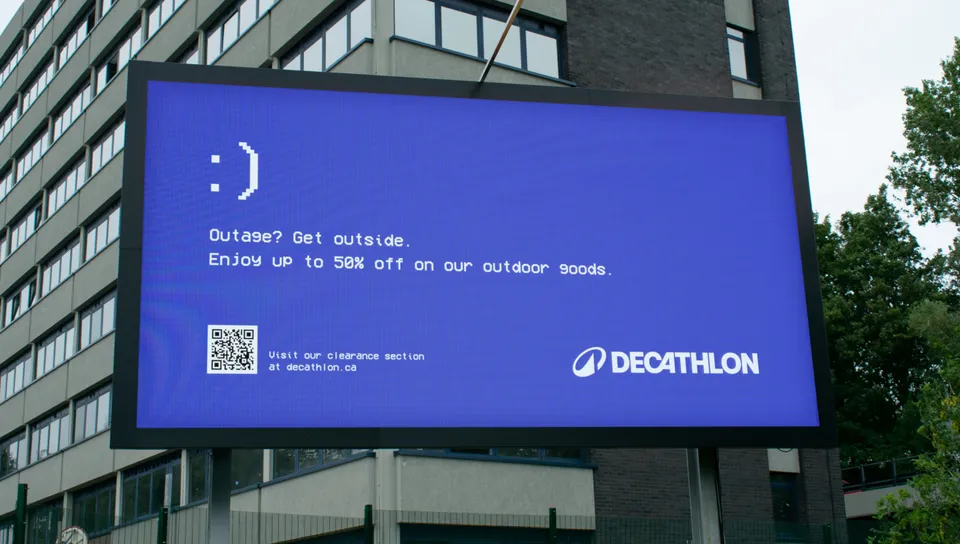
4. Decathlon Canada: “This Black Friday, Instead of Making Deals, We’re Making Time”
Instead of heavy discounting, the campaign encouraged people to reclaim time for sport/movement. It translated the brand’s core belief into behaviour while still delivering commercial results.
Why it worked: Shifted the conversation from price to purpose in a way that still felt on-brand and useful.
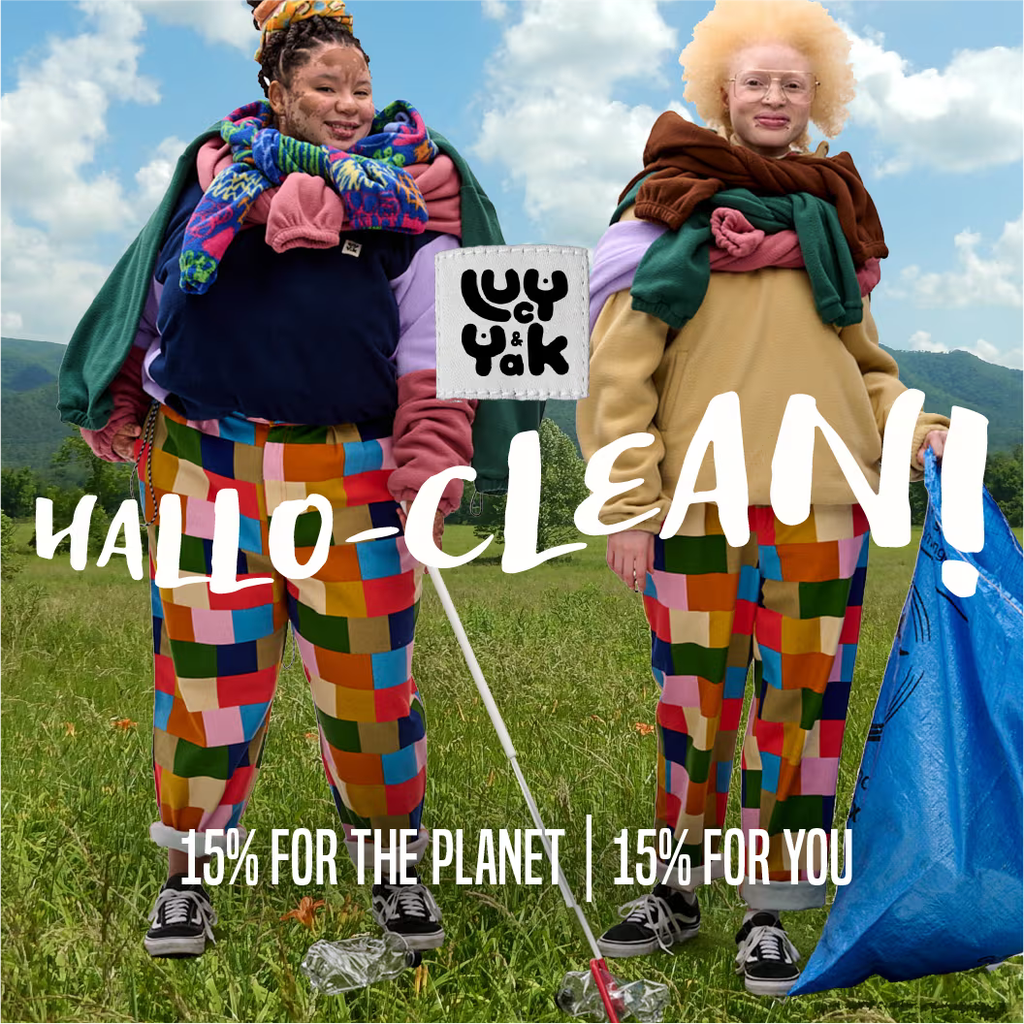
5. Lucy & Yak: Half of Black Friday profits donated (long-running)
The British dungaree and workwear brand has donated 50% of all Black Friday profits every year since 2018. Over several years this has funded more than 1,000 years of education for girls in villages around Pushkar, India.
Why it works well
- Extremely simple and transparent mechanic (half the profits, not a vague “portion”).
- Consistent over multiple years, so it feels genuine rather than opportunistic.
- Ties a commercial peak directly to a clear social impact that customers can understand and feel good about.
- Still allows the brand to run a sale and drive volume while reinforcing its values.
Ready to plan a campaign that feels true to your brand and still drives results this November? FDRY helps UK ecommerce businesses with strategy, creative, website and marketing support for peak season and beyond.