Black Friday 2026 falls on Friday 27 November, with Cyber Monday on Monday 30 November. In the UK the event has long since expanded beyond a single day. Many retailers begin teasing or launching deals in early November, and the real peak runs across “Black Week”.
UK online spend across November and December continues to grow, with recent Adobe figures putting the 2025 total at £26.9 billion. Forecasts for the wider festive period in 2026 point to further value growth (driven partly by inflation), while volumes remain under pressure. Shoppers are more deliberate, mobile-first, and increasingly influenced by AI recommendations and social discovery. Pure deep discounting is no longer enough, brands that win combine smart offers, frictionless experiences and genuine value.
This guide consolidates the essential preparation, marketing and conversion tactics into one practical playbook.
Key 2026 Dates for Retailers
| Date | Event | What it means |
|---|---|---|
| Early–mid November | Early deals & list building | Many major retailers start promoting |
| 23–26 November | Black Week builds | Traffic and intent rise sharply |
| 27 November | Black Friday | Peak traffic day for most brands |
| 28–29 November | Weekend | Strong continuation, especially mobile |
| 30 November | Cyber Monday | Biggest pure online day for many categories |
| Early–mid December | Gift & delivery cut-offs | Shift messaging to last-order deadlines |
Plan your operational freeze (no major site or app changes) for around 20 November so everything is stable before the real volume hits.
1. Get the website ready for traffic spikes
Traffic can jump several times over normal levels. A slow or unstable site loses sales in seconds.
- Run a full performance audit: page speed, Core Web Vitals, image compression, and caching.
- Prioritise mobile. The majority of festive online spend happens on phones.
- Stress-test checkout, payment methods, discount codes, gift cards and wallets on real devices.
- Confirm your hosting or platform can scale (or move to temporary higher capacity if needed).
- Keep product feeds accurate and up to date for Google Shopping and Meta.
- Add clear trust signals: delivery times, returns policy, security badges and customer reviews near the buy buttons.
A clean, fast experience is non-negotiable. Shoppers comparing multiple tabs will abandon anything that feels sluggish.
2. Design offers that protect margin
Average discount depth rises through November and can reach 25–30% in peak week in some categories. Matching the deepest percentage off is rarely the smartest move.
Better approaches for most brands:
- Tiered spend-and-save (e.g. “Spend £75, save £10 / Spend £120, save £25”).
- Bundles and gift-with-purchase that raise average order value.
- Early-access windows for email and SMS subscribers.
- Limited-edition or exclusive colourways rather than pure price cuts.
- Free shipping thresholds set just above your current average order value.
Calculate your true contribution margin after discount, platform fees, shipping and returns before you publish any offer. One clear, confident headline offer usually outperforms a confusing list of micro-promotions.
3. Build demand early, then convert hard
Start serious preparation 6–8 weeks out.
Early November – Build recognition and list
Grow email and SMS lists with early-access incentives. Begin organic and paid content around gift ideas and problem-solving rather than pure discounts.
Two weeks out – Build intent
Tease the main offer. Open early-access sign-ups. Retarget product viewers and cart abandoners. Make hero products highly visible.
Black Friday week – Convert
Launch the core offer with coordinated email, SMS, onsite messaging, paid support and social. Keep creative and product focus consistent.
Cyber Monday – Give a fresh reason to act
Do not simply re-send the Friday campaign. Change the angle (last chance, new bundles, free gift upgrade, or a different product focus) and keep urgency real.
4. Channel tactics that still work in 2026
Email & SMS
Still among the highest-converting channels. Segment heavily (VIPs, recent browsers, lapsed customers). Use countdown timers and clear single CTAs. SMS works best for high-urgency moments rather than daily broadcasts.
Paid media
Concentrate spend on proven creative and high-intent audiences once the offer is live. Keep product feeds and landing pages perfectly aligned with ad claims, mismatches get disapproved quickly.
Social & discovery
TikTok Shop, Instagram and creator content continue to drive discovery, especially among younger shoppers. AI-assisted shopping is growing fast; ensure your product data is clean and descriptive so you appear in relevant recommendations.
Onsite
Dedicated campaign landing pages, clear gift navigation (by price, recipient or theme), bestsellers section, and prominent countdown or stock indicators all help convert the extra traffic.
5. Conversion and post-purchase essentials
- Reduce friction in checkout (guest checkout, multiple payment options including buy-now-pay-later where it fits your audience).
- Use exit-intent or cart-level offers carefully so they do not train customers to abandon.
- Prepare customer service for volume spikes, chatbots for simple queries, clear SLAs for human support.
- Plan returns and fulfilment capacity early. Late or missing deliveries damage both this season’s revenue and next year’s trust.
Quick 2026 checklist
- Offers and margin floors signed off
- Site speed and mobile checkout tested
- Product feeds and tracking verified
- Email/SMS flows and segments ready
- Creative approved and scheduled
- Landing pages live and linked
- Customer service and fulfilment capacity confirmed
- Post-Cyber Monday gift and cut-off messaging planned
Our top 5 standout Black Friday and Cyber Monday campaigns
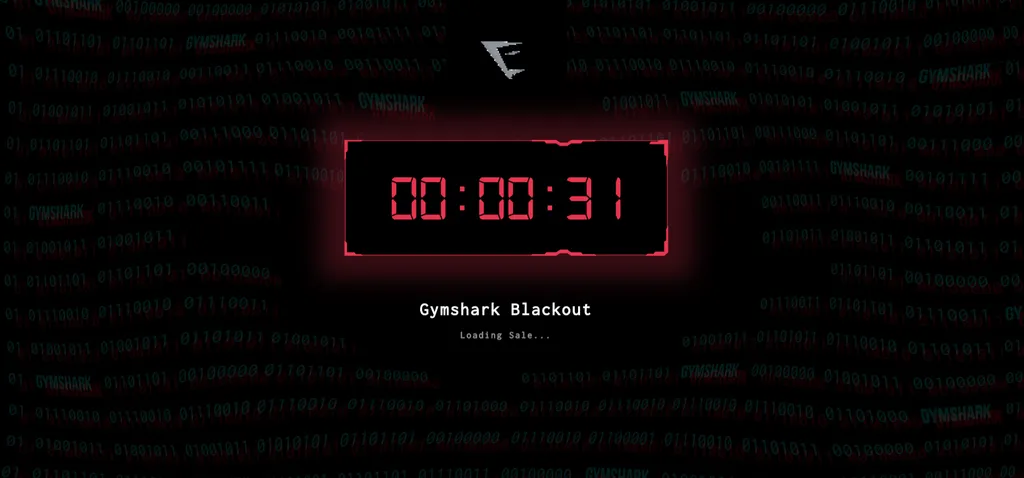
1. Gymshark: “Blackout”
Gymshark’s annual Blackout event has become one of the most anticipated DTC Black Friday moments. They wipe their Instagram feed, drop cryptic teaser graphics, and flood TikTok through their athlete community in the lead-up.
Why it stood out: Creates massive FOMO and cultural buzz through visual consistency and community amplification rather than just another percentage-off banner.
2. Space NK: Record-Breaking Paid Social Black Friday
Award recognition: Gold winner – Best Paid Social Campaign at the 2026 Performance Marketing Awards.
The beauty retailer delivered its strongest paid social day in history during Black Friday, exceeding all business and channel targets for sessions, new customers and efficiency. Judges praised the combination of AI-driven precision with platform-native creative.
Why it stood out: High-standard execution in one of the most competitive windows of the year, showing that disciplined paid social can still cut through.
3. Apple: Black Friday Shopping Event
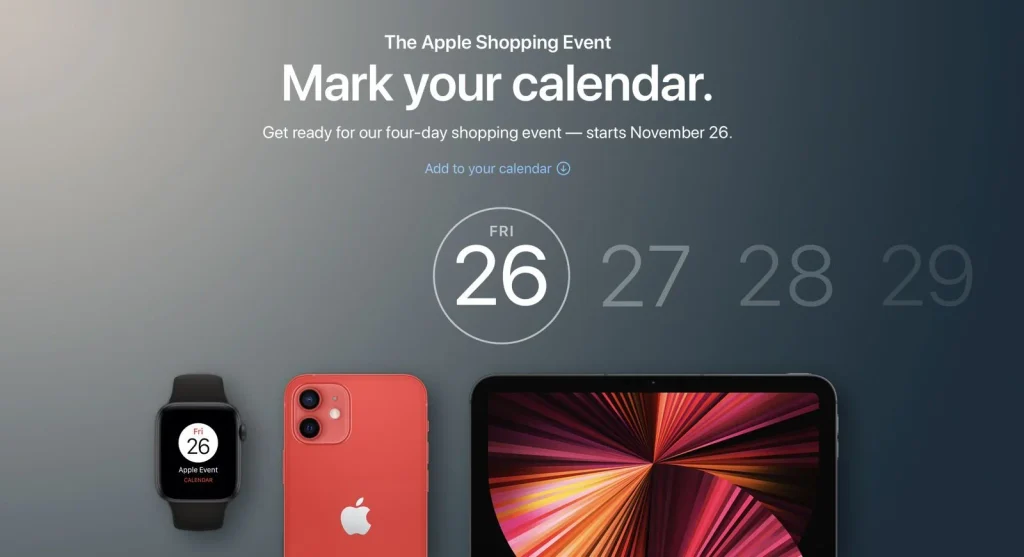
Apple rarely runs deep product discounts. Instead it runs a consistent “Black Friday Shopping Event” where selected devices come with Apple gift cards or similar value-adds.
Why it stood out: Protects brand premium while still creating a clear reason to buy during the peak period. It has become a reliable annual ritual that tech creators and shoppers actively look for.
4. Patagonia: “Don’t Buy This Jacket”
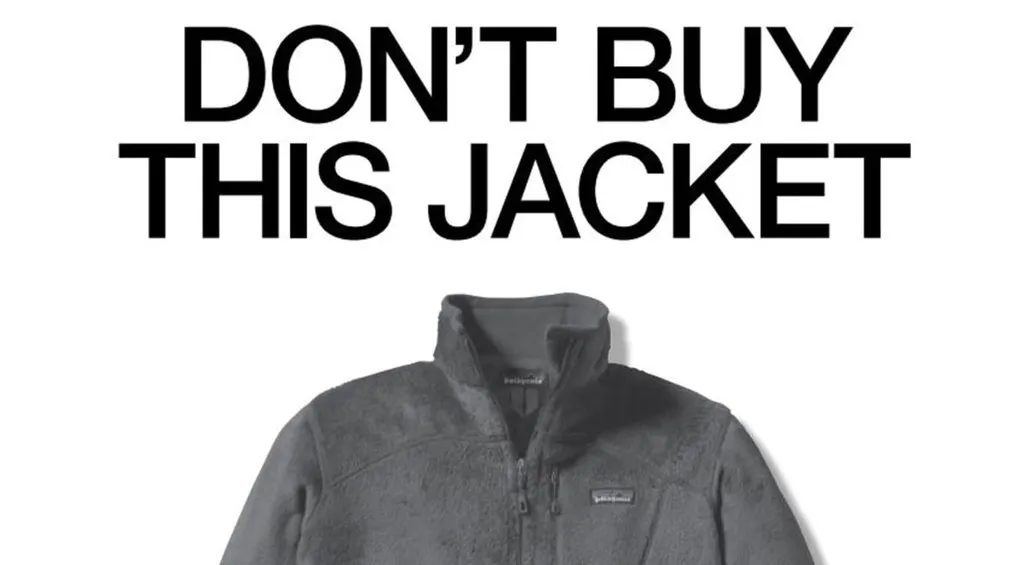
On Black Friday 2011, Patagonia ran a full-page New York Times ad with the headline “Don’t Buy This Jacket,” detailing the environmental cost of production and urging people to think carefully before buying.
Why it stood out: One of the most famous and frequently referenced anti-consumption campaigns of all time. It strengthened brand trust and long-term loyalty by taking a bold, consistent stance.
5. Reformation: “Buy More, Save Less”
The sustainable fashion brand flipped the usual discount logic: the more a customer bought, the smaller the percentage discount they received.
Why it stood out: Clever inversion of typical Black Friday behaviour that discouraged over-buying while still running a sale, reinforcing the brand’s values in a memorable way.

Black Friday and Cyber Monday remain two of the highest-leverage moments in the ecommerce calendar. Brands that treat them as a multi-week campaign rather than a single weekend, that protect margin while still feeling generous, and that keep the technical and creative foundations solid, consistently outperform those that simply slash prices at the last minute.
If you need help auditing your site, building campaign landing pages, designing email flows or running the paid side, FDRY is ready to support UK ecommerce brands through the peak season.